Unlocking Nature's Chemical Intelligence

Evoquant mines the world's largest curated atlas of biosynthetic gene clusters (5.2 million BGCs across 750,000 genomes) to identify novel chemical scaffolds against validated therapeutic targets.

Our BioPredictor platform turns decades of serendipity into a directed, target-first discovery workflow. Of the first six microbes advanced to the bench, six have produced confirmed bioactivity.

Get in Touch
5.2M
Biosynthetic Gene Clusters
750K
Genomes & Metagenomes
15
Active Discovery Projects
6 / 6
Confirmed Bioactive to Date
$307K
NIH SBIR Phase I Funded

Natural Products Have Funded a Century of Medicine. We've Barely Scratched the Surface.

Microbially-produced natural products have been a prolific source of novel antibiotic, anticancer, and immunomodulatory small molecules for nearly a century.1,3 Yet despite hundreds of thousands of public microbial genomes, the field remains hampered by two failure modes: the frequent rediscovery of known compounds, and the disconnect between the chemistry an organism produces and the targets it gets screened against.

Existing computational methods were not developed to address this at scale.2 Evoquant was founded to close the gap, systematically predicting which microbes make which kinds of molecules against which targets, before a single fermentation is run.

The BioPredictor Platform

A purpose-built prediction engine that mines millions of BGCs for activity against targets of interest, using ML/AI models, curated multi-omic data, and chemo- and proteo-structural analyses assembled into knowledge graphs.

Multi-omics Knowledge Graphs

Heterogeneous networks linking genes, BGCs, metabolites, protein targets, and disease phenotypes across public and proprietary repositories. This is the substrate BioPredictor reasons over.

Beyond Resistance Gene Colocalization

Most groups rely on resistance gene colocalization to infer BGC activity. In most BGCs, especially those targeting eukaryotic proteins, resistance markers are absent or unknown. We are building models that work where such signal doesn't exist.

BGC Prioritization & Strain Selection

Systematic ranking of BGCs and microbial strains by therapeutic potential. Redundant rediscovery of known scaffolds is reduced (and, where not, is at least linked to activity), and wet-lab effort focuses where it pays off.

The World's Largest BGC Atlas

We've efficiently turned tens of thousands of compute hours into 5.2 million BGCs (27.8M unique proteins) from 750,000 genomes and metagenomes. These have been clustered with proprietary software that operates at orders of magnitude greater speed and scale than currently reported tools.
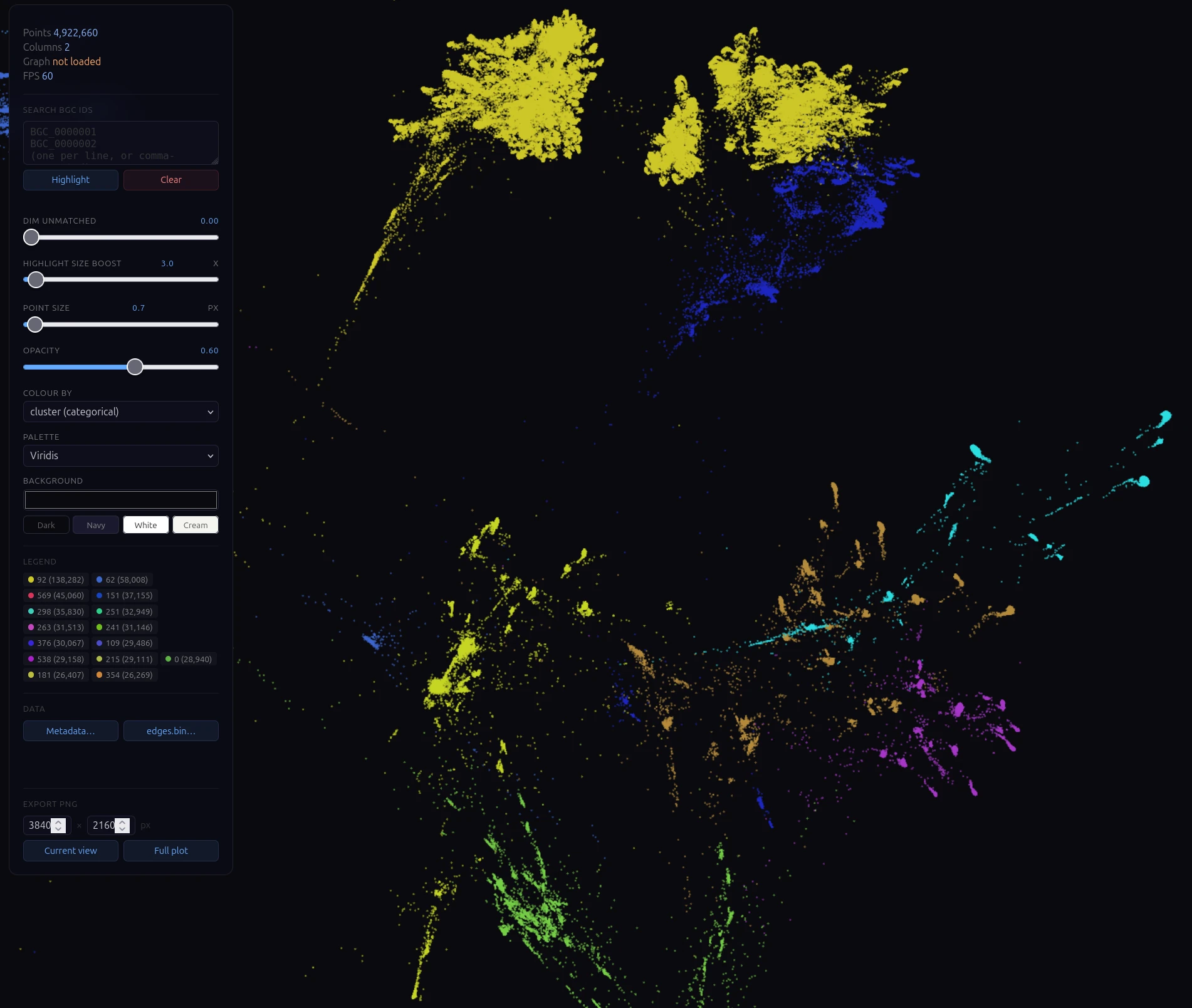
Global view of Evoquant's BGC Atlas showing clustered biosynthetic gene cluster families across 750,000 microbial genomes

When BioPredictor surfaces a BGC of interest, we instantly compare it to all 5.2 million BGCs in the atlas, contextualizing novelty, chemical class, and taxonomic distribution in a single view, and flagging anything that maps onto a previously characterized cluster.
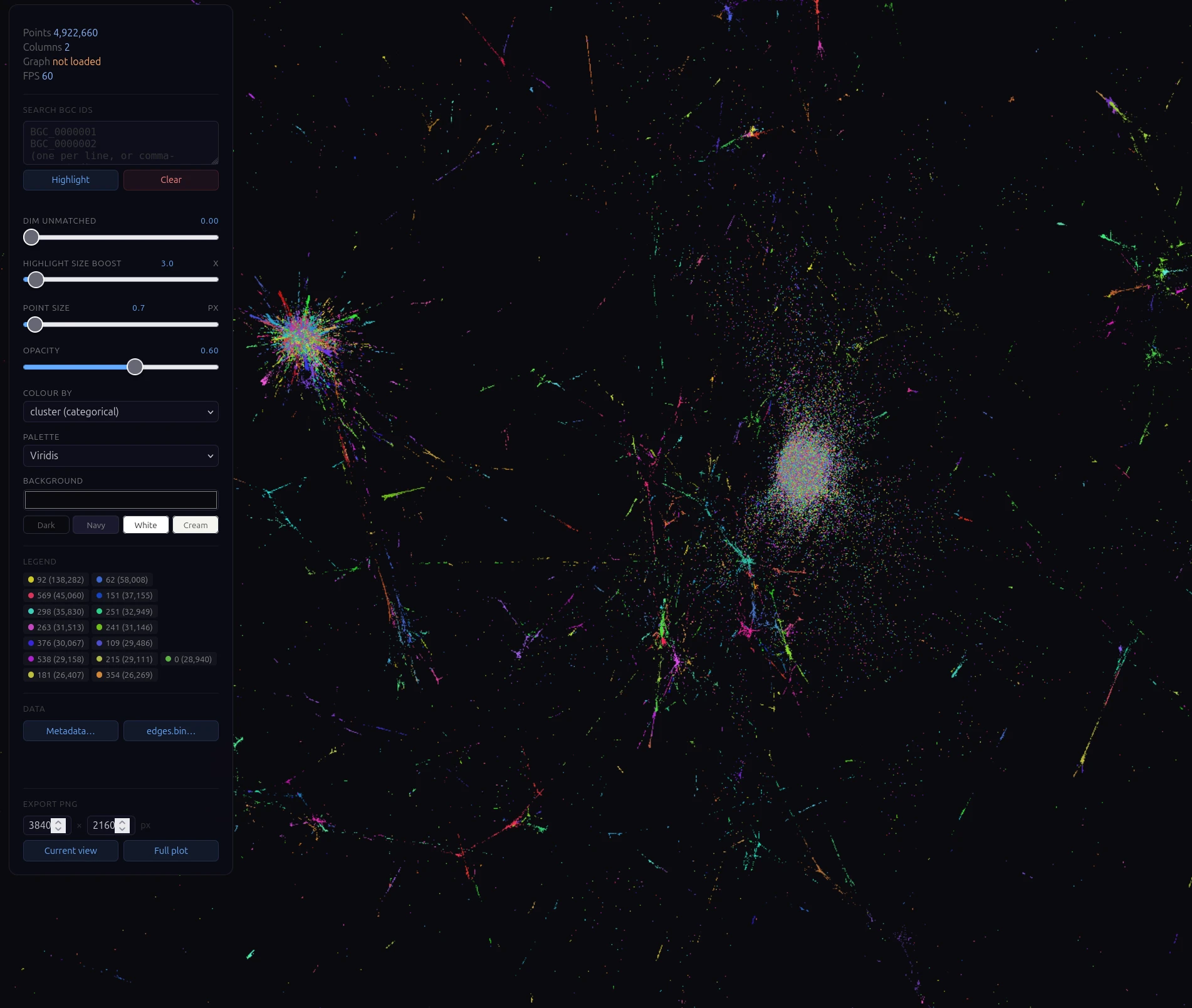
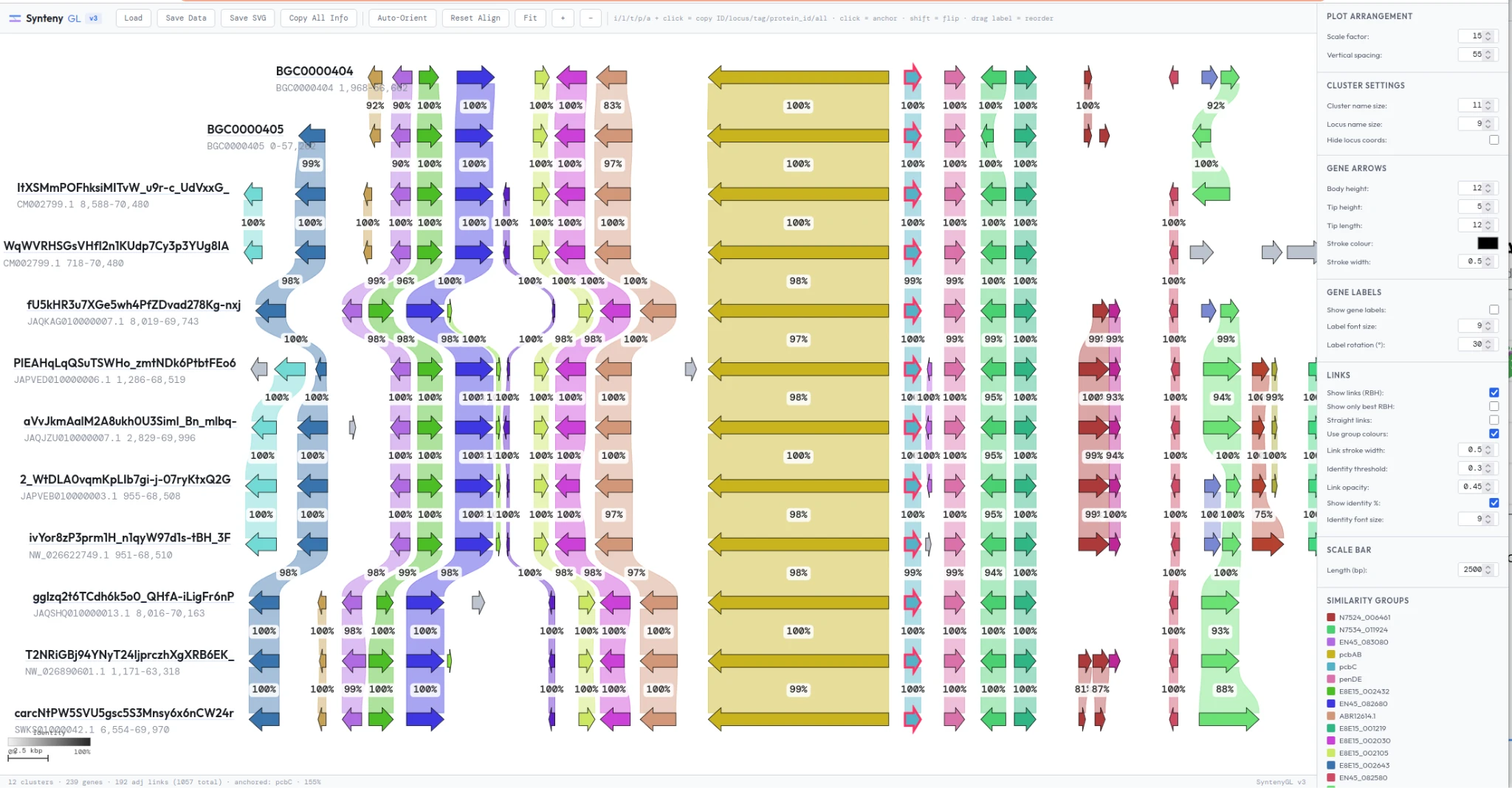
Detail view of the BGC Atlas with node-level metadata and cluster family relationships Interactive synteny visualization comparing gene architecture across related biosynthetic gene clusters

Selecting nodes in the atlas passes BGCs to our synteny analysis workflow. In seconds, BGCs are pulled from the cloud and rendered in a single interactive visualization, revealing shared and unique genes, domain architectures, and overall organization at a glance.
Discovery Programs

Our first 15 microbes were selected through BioPredictor analysis and manual review, and are predicted to encode novel compounds targeting cancer and immunomodulatory pathways as well as infectious disease (currently Borrelia, Staphylococcus, Enterococcus, and M. tuberculosis). Antibiotic screening is performed by the Institute for Tuberculosis Research at the University of Illinois Chicago; other assays are performed in-house.

Microbe Program Stage
EQM-1 Proteasome Inhibitor Confirmed activity / structure elucidation
EQM-3 Antibiotic Confirmed activity / lead ID
EQM-4 Undisclosed Confirmed activity / structure elucidation
EQM-5 Antibiotic Confirmed activity / lead ID
EQM-6 Antibiotic Confirmed activity / lead ID
EQM-7 Undisclosed In screening
EQM-8 Topoisomerase Inhibitor In screening
EQM-9 Peptidase Inhibitor In screening
EQM-10 Undisclosed In screening
EQM-11 Proteasome Inhibitor In screening
EQM-12 Proteasome Inhibitor In screening
EQM-13 Peptidase Inhibitor In screening
EQM-14 Proteasome Inhibitor In screening
EQM-15 Undisclosed In screening
Structure elucidation Lead identification In screening

All programs are in early-stage computational and experimental discovery. No candidates have entered preclinical development.

Validation Program: EQM-1, a Novel Epoxyketone Producer

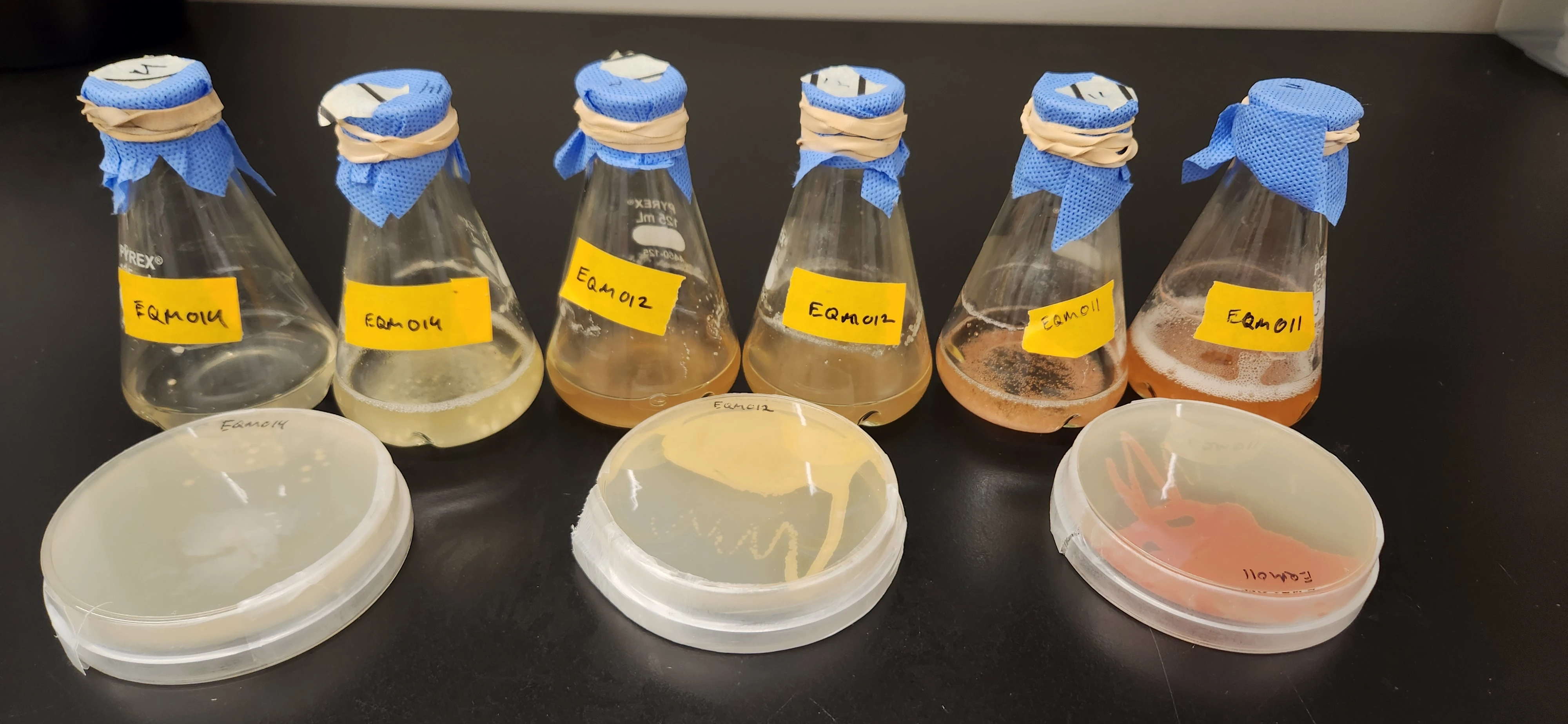
EQM-1 was selected as a first wet-lab validation. BioPredictor identified it as a predicted novel epoxyketone, a proteasome-inhibitor class with well-established assays and clinical precedent (e.g. carfilzomib). Confirmed activity and ongoing structure elucidation validate the platform end-to-end, from sequence to bench. Additional strains (EQM-11, 12, 14) are now being evaluated for proteasome-inhibitor chemistry distinct from all publicly disclosed compounds.

From Prediction to Validation

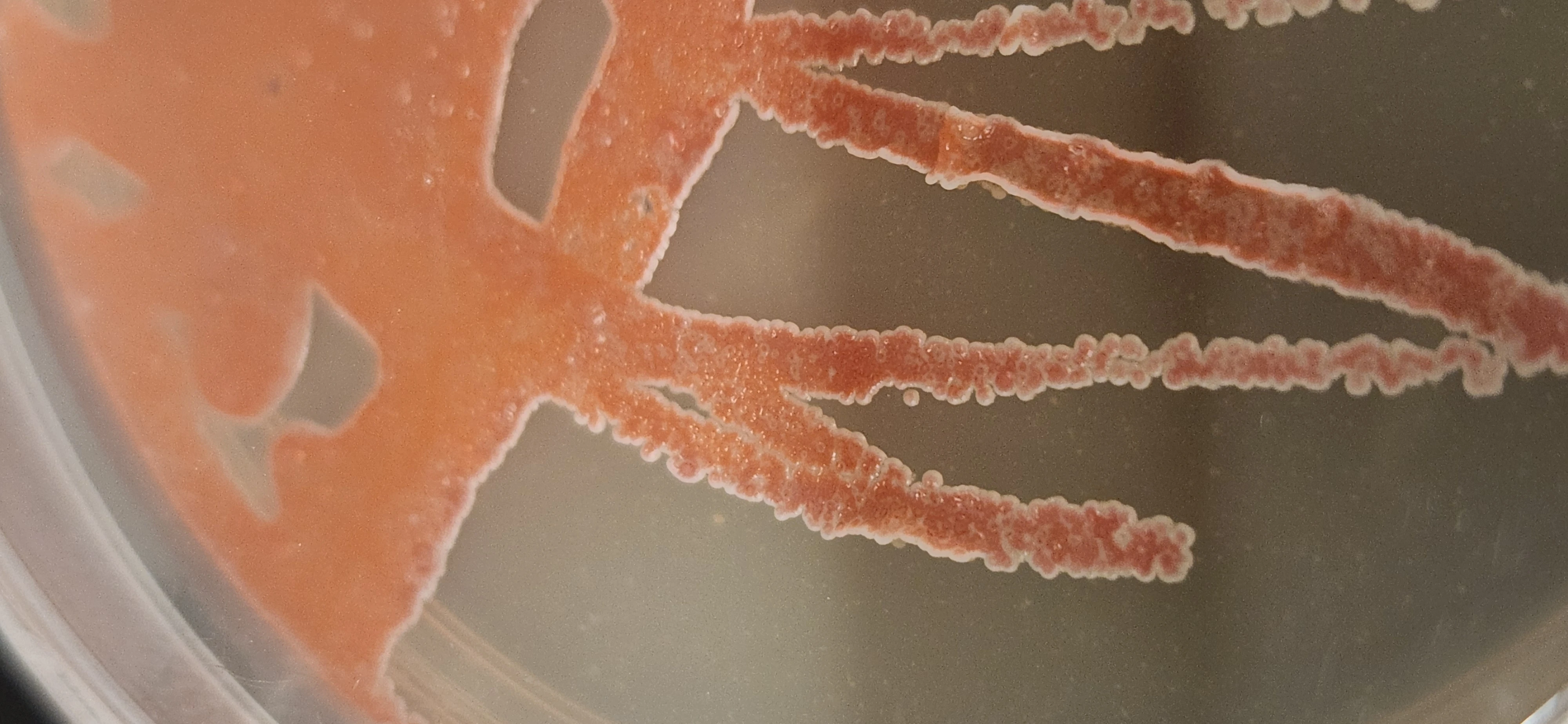
Evoquant isn't purely computational. We maintain dedicated laboratory space at Portal Innovations at Fulton Labs in Chicago, where we actively derisk programs through phenotypic and target-based assays.

With a decade of experience writing custom lab software, we have found success in using LLMs to rapidly (hours) create our own suite of custom LC-MS/MS, NMR, and kinetic enzyme analysis software tools for faster and more tailored analysis than public and commercial options.

About Portal Innovations →
🏭

Wet Lab

Dedicated space at Portal Innovations, Chicago, embedded in 60+ biotech startups.

🔬

Extraction

We grow microbes and extract natural products in-house for IP control.

🎯

Target Validation

Biochemical and cellular assays confirming on-target engagement for BioPredictor predictions.

♻️

Iterative Feedback

Wet-lab results feed directly back into models, refining predictions each cycle.

Meet Chase Clark

Chase Clark, PhD, Founder of Evoquant

Chase Clark, PhD is the founder of Evoquant, combining over a decade of experience at the intersection of computational biology, natural product chemistry, and AI-driven drug discovery. He is a co-author of the Nature Reviews Drug Discovery review on artificial intelligence for natural product drug discovery (Mullowney et al., 20232).

Chase leads the company's scientific vision, focused on making natural product discovery more predictive and scalable, while keeping real-world therapeutic impact at the center of every program.

Seeking Partners & Investors

Evoquant was originally planning a follow-on NIH SBIR Phase II. With the large gap in the program's appropriations between November 2025 and April 2026, we are now actively seeking partners and investors (or thoughtful advice) to advance our assets toward clinical development.

Attending SDDS 2026? Find Evoquant in the Corporate Poster Session, April 27–28 at Stanford.

1 Atanasov et al. Nat. Rev. Drug Discov. 20, 200–216 (2021). doi:10.1038/s41573-020-00114-z

2 Mullowney, Duncan, Elsayed, Clark, et al. Nat. Rev. Drug Discov. 22, 895–916 (2023). doi:10.1038/s41573-023-00774-7

3 Newman & Cragg. J. Nat. Prod. 83, 770–803 (2020). doi:10.1021/acs.jnatprod.9b01285